✦ September Bathroom Event — free design consultation plus one premium upgrade included. Book by September 30. Call (520) 548-2125 left

Services Service Areas Costs Guides Projects Reviews About FAQ Contact (520) 548-2125
Licensed & Insured in Arizona 5.0 Star Google Rating 200+ Projects Completed Free Design Consultation

Room to build, and county rules

Vail is one of the fastest-growing communities in Southern Arizona and its housing reflects that: mostly 2000s-onward subdivisions — Rancho del Lago, Del Webb at Rancho del Lago, Santa Rita Ranch, Cienega — interspersed with older properties on larger acreage toward the Cienega Creek corridor and the Rincon foothills.

For the newer stock, remodeling here is rarely about repair. The systems are sound and nothing is failing. What people want is more space as families grow, and backyards that were handed over as graded dirt turned into somewhere worth being.

The advantage Vail has over almost everywhere else in the metro is lot size. There is generally room to build — a real addition, a detached casita, a proper shaded outdoor room, a workshop — without running immediately into lot coverage limits. That makes options available here that a midtown lot simply cannot offer.

The constraints are jurisdictional and infrastructural rather than spatial: Vail is unincorporated Pima County, and parts of the area are on septic and wells rather than municipal services.

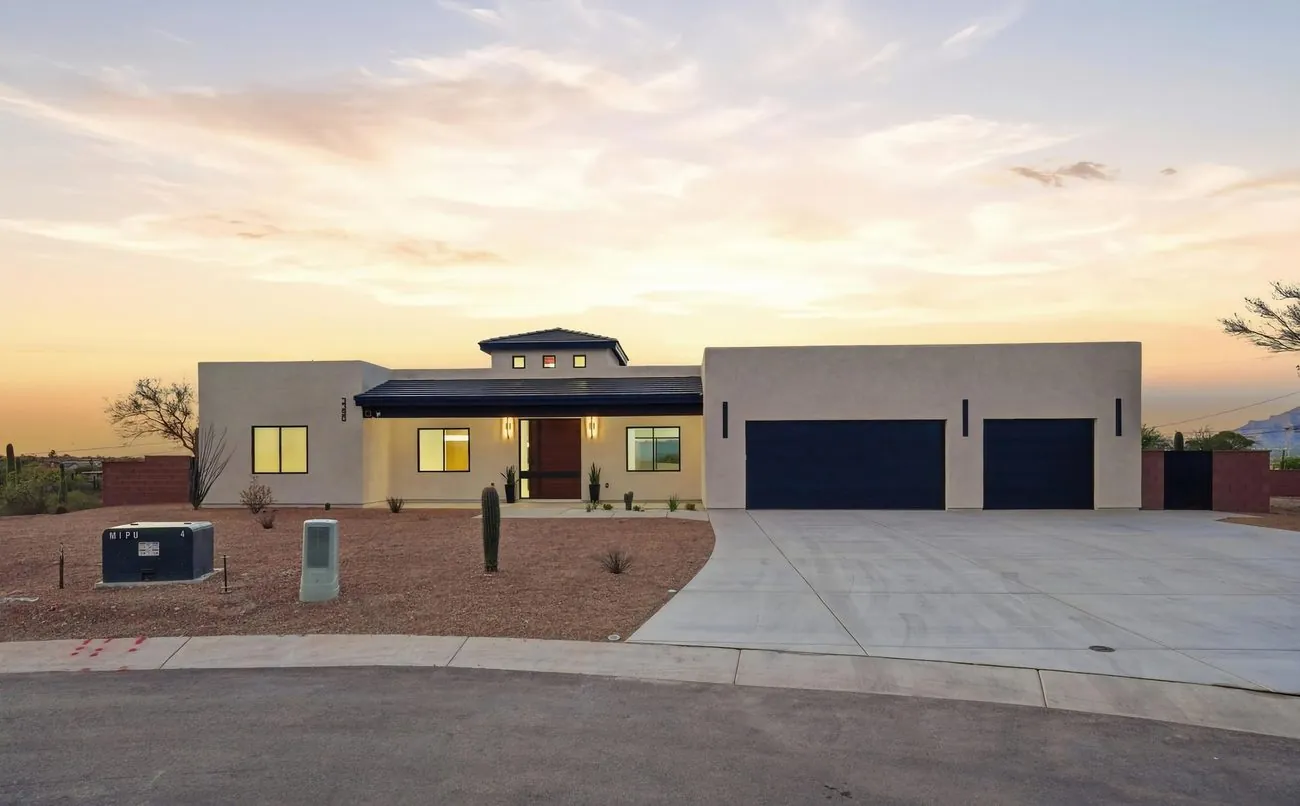
Custom home detail in a Vail Arizona remodel

Permitting in Vail

Vail is unincorporated Pima County. Permits come from Pima County Development Services — not the City of Tucson, and Vail is not an incorporated town with its own department.

Parts of the Vail area are on septic systems and private wells, particularly on the larger acreage properties. Any project adding bathrooms, bedrooms or a casita requires the septic system to be evaluated for the extra load.

Newer subdivisions such as Rancho del Lago and Santa Rita Ranch carry HOA architectural review, which is separate from the county permit and typically adds four to twelve weeks for exterior work. Larger acreage properties frequently have no HOA at all.

Cienega Creek and floodplain regulations apply to parcels near the watercourse, affecting where new structures can be placed.

Local Knowledge

Remodeling in Vail

Room to add

Vail lots are generous by metro standards, which means additions and detached casitas are genuinely viable here rather than a squeeze against lot coverage limits. A 400–600 square foot addition or a full casita usually fits comfortably, and the early questions are setbacks and septic rather than whether there is space.

Unfinished backyards

Nearly every Vail subdivision home came with graded dirt or gravel and a small slab. Turning that into usable space means shade first — a ramada or substantial engineered pergola — then turf, pavers and drainage, then the kitchen or fire feature. Vail's exposure to wind across open ground makes engineered footings on shade structures a real requirement, not a formality.

Newer homes, upgrade projects

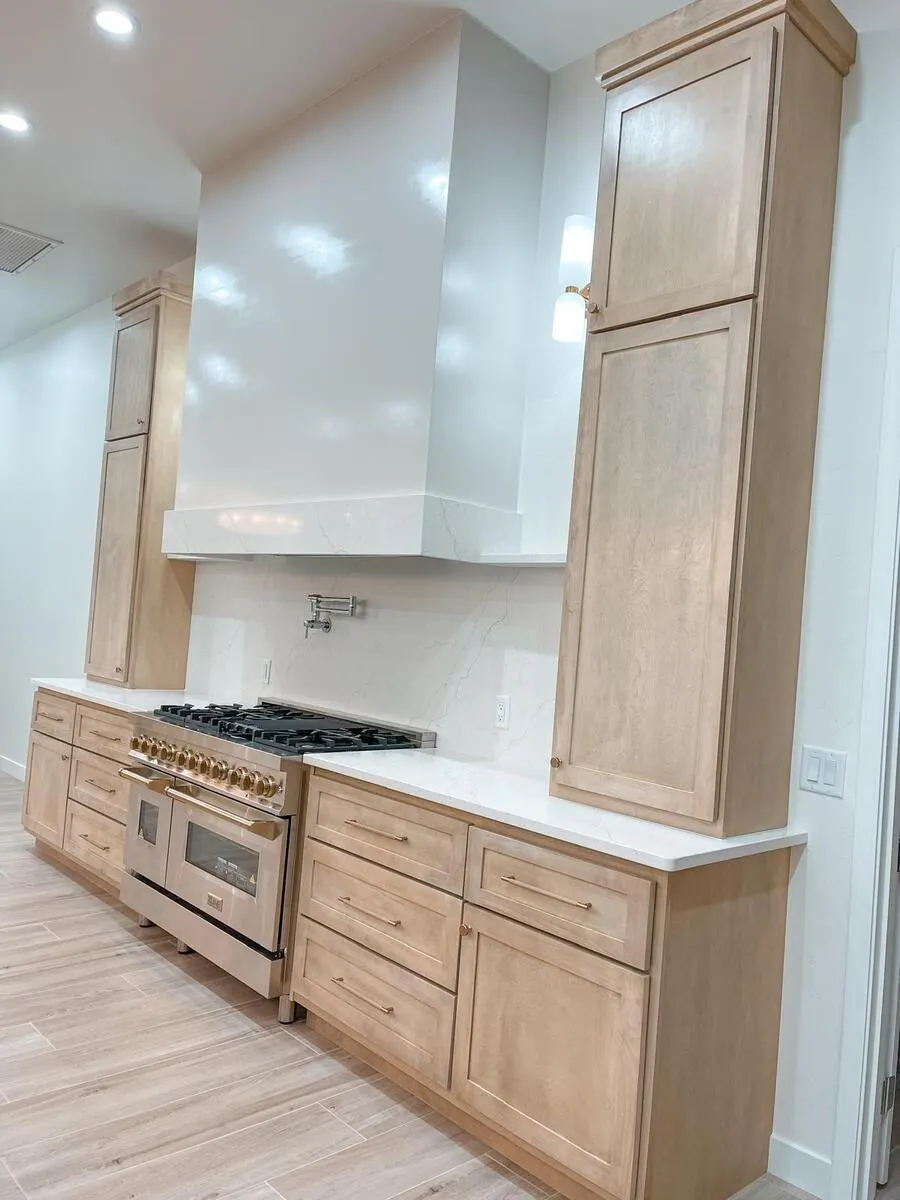
2000s-onward construction with sound systems and predictable framing. The work is finish-driven: better cabinetry, stone counters, opening the kitchen to the great room, replacing builder glazing on hot elevations. Post-tension slabs are common, so plumbing relocation needs scanning and engineering.

Acreage properties and outbuildings

Toward Cienega and the Rincon foothills, larger parcels with workshops, barns and guest quarters. Often no HOA, frequently septic and sometimes well water. These projects are as much about site — access, utilities, drainage, caliche — as about the building.

Coverage

Neighborhoods we work in

What We Do Here

Our Vail services

Local Detail

Specialist pages for Vail

Where the work here differs enough to be worth going deeper.

Nearby

Communities around Vail

Vail Questions

Vail remodeling FAQ

Who issues building permits in Vail?

Pima County Development Services. Vail is an unincorporated community rather than an incorporated town, so it does not have its own building department and is not under City of Tucson PDSD.

In newer subdivisions an HOA architectural review runs separately from the county permit and adds its own timeline. On larger acreage properties there is frequently no HOA at all, which simplifies things considerably.

Can I build a casita in Vail?

Vail is unincorporated Pima County, so county ADU rules govern rather than the City of Tucson's — Arizona's HB 2720 applies to municipalities, and the county's requirements are not identical to Tucson's.

The practical picture in Vail is generally favourable: lots are large enough that setbacks and coverage rarely bind. The real constraints are septic capacity and, in HOA subdivisions, covenants that may restrict accessory dwellings. Both are feasibility questions we answer first. See our casita page.

How much does an addition cost in Vail?

Room additions run roughly $250–$375 per square foot and primary suites $300–$450, putting a 400 square foot addition around $100,000–$150,000.

Vail-specific factors that can move it: caliche depth affecting footing excavation, septic evaluation or expansion where the property is not on sewer, and longer utility runs on larger parcels. We soil-test and check septic before pricing rather than treating either as a change order.

I'm on a well and septic. What should I know?

For septic, any added bathroom, bedroom or casita means the system must be evaluated for the additional fixture load, and may need expansion or replacement depending on its age and the soil.

For a well, the questions are pressure, storage capacity and water quality. All three affect fixture selection — a rain shower with multiple body sprays needs flow that some well systems cannot sustain, and hard or mineral-heavy water affects finish choices. Better to know at design than at first use.

What is the best way to finish a Vail backyard?

Shade first, always. Vail sits on open ground and takes full sun and real wind, and an outdoor kitchen with no meaningful cover over it simply goes unused from May through September.

Build the ramada or a substantial engineered pergola, then turf or pavers with proper base and drainage, then the kitchen or fire feature underneath. Shade structures here need engineered footings and uplift-rated connections — monsoon outflow winds cross this open ground with nothing to slow them.

Do you work on acreage properties near Cienega?

Yes. Those projects tend to be site-heavy — access, utility runs, drainage, caliche and floodplain considerations near the creek — as much as they are building projects.

The advantage is space and, usually, no HOA. The considerations are septic, well water, and Pima County's floodplain regulations where a parcel is near the watercourse. We assess the whole property at feasibility rather than just the house.

All service areas

Ends September 30 · left

Book a bathroom remodel this month,
choose an upgrade on us

Sign a full bathroom remodel by September 30 and pick one premium upgrade, included at no cost. Not a discount — an actual upgrade to the finished room, specified and installed as part of the build.

Frameless glass

Frameless Shower Enclosure

Custom-templated to your finished walls after tile. The single upgrade that most changes how a bathroom reads.

Underfoot

Heated Tile Floors

Electric in-floor heat under the tile, on its own thermostat. Impossible to retrofit later without pulling the floor up again.

Stone & storage

Upgraded Vanity & Stone

A step up in cabinetry and countertop material — the two things you touch every morning for the next fifteen years.

One upgrade per household, on full bathroom remodels signed by September 30, 2026. Upgrade is specified during design and installed with the project; it cannot be exchanged for a credit or discount. Consultations and written estimates are always free and carry no obligation.

Remodeling in Vail

Free site visit — and out here that means looking at the whole lot, because the space to build is usually the best thing you have.

Get My Free Consultation (520) 548-2125